


Choosing a vehicle for several weeks or months requires more thought than selecting a car for a short journey. Daily distance, passenger requirements, luggage needs, road conditions and parking availability can influence which vehicle feels suitable after regular use. A car that seems attractive for a weekend may not remain practical when driven every day. Before confirming a long term car rental, consider how frequently the vehicle will be driven, where it will usually be parked and whether most journeys will be within the city or on highways.
Match the Vehicle Category With the Type of Driving You Do Most Often
Vehicle category has a major influence on comfort and running convenience. Hatchbacks are practical for busy streets, compact parking areas and regular office travel, while sedans provide additional cabin comfort for longer drives. SUVs are useful when passengers need more space, a higher seating position or greater road presence. Instead of selecting a vehicle only because of its appearance, compare its size and driving characteristics with your regular requirements so that the rental remains convenient throughout the agreed period.
Estimate Your Regular Driving Distance Before Selecting a Rental Car
Your expected monthly driving distance can help narrow down the right vehicle. Someone travelling only a short distance between home and office may have different requirements from a person frequently travelling between cities. Fuel efficiency becomes more important when the vehicle will cover substantial kilometres every month. Estimating daily and weekly usage before signing an agreement can also help you understand whether the available kilometre allowance suits your needs and whether additional usage charges could affect the total rental expense.
Give Daily Driving Comfort More Importance Than Short-Term Impressions
Comfort becomes increasingly important when the same vehicle is used for an extended period. Seat support, cabin space, driving position, air conditioning, visibility and ease of entry can make a noticeable difference during everyday use. Drivers who spend several hours on the road should pay particular attention to seating comfort and controls. A well-matched vehicle can make regular commutes, business visits and personal journeys easier without requiring the financial commitment associated with purchasing another car.
Choose a Vehicle Size That Remains Practical for Your Regular Needs
A larger car is not automatically the best choice for every renter. Extra space can be useful for families, luggage and highway journeys, but a compact model can be easier to park and handle in crowded areas. Consider the number of passengers who will regularly use the vehicle rather than occasional maximum occupancy. Selecting a practical size helps maintain a balance between comfort, ease of driving and overall rental cost throughout an extended agreement.
Popular Long-Term Rental Choices for Different Driving Requirements
- Monthly Self Drive Car Rental – Suitable for regular personal and professional driving requirements.
- Corporate Car Lease – Useful for employees, executives and extended business assignments.
- SUV Long Term Lease – A spacious choice for highway travel, family usage and frequent longer journeys.
- Hatchback Monthly Rental – Practical for city driving, compact parking spaces and daily commuting.
- Sedan Extended Rental – Suitable for users who prefer comfortable seating and balanced highway performance.
| Vehicle Type | Suitable Usage | Main Benefit |
|---|---|---|
| Hatchback | Daily city driving | Easy handling and parking |
| Sedan | Office and highway use | Balanced comfort and space |
| SUV | Family and longer drives | Spacious cabin and strong road presence |
Compare the Complete Rental Expense Instead of Focusing Only on Monthly Price
The advertised monthly rate is only one part of an extended rental decision. Before selecting a car, understand what the quoted amount covers and which expenses remain separate. Security deposits, additional kilometre charges, fuel expenses, damage policies and other agreement conditions can influence the actual amount paid during the rental period. Comparing the complete financial structure helps you select a vehicle that remains within budget instead of choosing solely on the basis of an attractive initial rate.
Think About Fuel Efficiency When the Vehicle Will Be Used Frequently
Fuel consumption can have a significant effect on monthly driving expenses, especially when the car is used every day. A vehicle with suitable mileage may create meaningful savings during a rental lasting several months. Drivers covering substantial distances should compare engine type, vehicle size and expected efficiency before making a decision. Choosing the right balance between performance and fuel economy can keep regular running expenses manageable without compromising essential comfort.
Select Automatic or Manual Transmission According to Your Driving Environment
Transmission preference deserves careful consideration for extended use. Automatic cars can reduce effort during frequent stop-and-go traffic, while manual cars may appeal to drivers who prefer greater control and familiarity. Since the car will become part of your routine, select the transmission that feels comfortable rather than choosing only according to price. This becomes particularly important for users who spend significant time driving through congested city roads every working day.
Check Luggage Capacity Before Committing to a Car for Several Months
Boot space is sometimes ignored when selecting a rental, yet it can become important for airport visits, family journeys, shopping and weekend drives. If luggage is carried regularly, check whether the boot can accommodate bags without affecting passenger comfort. Families may also need additional room for children’s items or personal belongings. Evaluating usable storage space beforehand prevents the inconvenience of discovering later that the selected model is too small for routine requirements.
Consider Parking Space at Home and Work Before Choosing a Large Vehicle
Parking conditions should influence vehicle selection, particularly when choosing an SUV or another large model. A spacious vehicle may offer excellent cabin comfort but become inconvenient if the parking area at home or the workplace is narrow. Measure available space when necessary and consider turning room, entry width and surrounding traffic. A vehicle that can be parked easily every day often provides greater long-term convenience than a larger option that creates repeated difficulty.
Rental Formats Worth Comparing Before Signing an Extended Agreement
- Weekly Car Rental – Useful when the required duration is longer than a few days but not yet fixed for a full month.
- Monthly Vehicle Lease – Suitable for continuous personal or business use over a defined monthly period.
- Long Duration SUV Rental – Designed for users requiring greater cabin space and comfortable highway usage.
- Business Car Rental – A convenient option for temporary assignments and regular professional mobility.
- Flexible Car Lease – Useful when the required duration may need to be extended according to changing requirements.
| Rental Requirement | Recommended Choice | Useful For |
|---|---|---|
| Compact daily usage | Hatchback | Office and city journeys |
| Balanced regular usage | Sedan | City and highway driving |
| Higher space requirement | SUV | Family and extended journeys |
Read the Rental Agreement Carefully Before Finalizing Your Vehicle
A long-duration agreement should be reviewed carefully before the car is accepted. Pay attention to rental duration, payment schedule, kilometre limits, security deposit conditions and rules regarding vehicle usage. Clear understanding at the beginning can prevent confusion later. Ask about any condition that seems unclear and ensure the agreement reflects the rental period and vehicle selected. Written terms are especially important when the car will remain with you for several months.
Understand the Included Kilometre Allowance and Additional Usage Conditions
Kilometre limits can significantly affect the suitability of an extended rental package. Some agreements include a defined allowance for the rental period, while additional driving may involve separate charges. Estimate your expected usage before selecting the package and leave some flexibility for unexpected journeys. A suitable kilometre allowance is particularly important for business users and people who frequently drive between cities, as their monthly usage can vary considerably.
Review the Security Deposit and Refund Conditions in Advance
Security deposits are common in rental agreements, so understand the required amount and the conditions associated with its return. Check whether deductions may apply for damage, agreement violations or other specified circumstances. Knowing these terms before making payment creates a clearer understanding of your financial responsibility. Keep relevant rental documents and payment records safely until the vehicle has been returned and the agreement has been fully completed.
Inspect the Vehicle Condition Before Beginning the Extended Rental Period
Before accepting the car, inspect the exterior, interior, tyres, lights and visible equipment. Existing marks or damage should be documented according to the rental provider’s procedure. This simple step creates a clear record of the vehicle’s condition at the beginning of the agreement. Since the vehicle may remain in your possession for a substantial period, starting with accurate documentation helps avoid uncertainty when it is eventually returned.
Check Tyres and Essential Features for Regular and Longer Distance Driving
Tyres influence grip, comfort and everyday driving confidence, so their condition deserves attention before beginning a lengthy rental. Check visible tread condition and confirm that essential equipment is present. Air conditioning, lights, wipers, seat belts and basic controls should also operate correctly. A properly prepared car offers greater convenience for regular city use as well as occasional highway journeys during the rental period.
Useful Long-Term Lease Options for Different Types of Drivers
- Employee Car Lease Rental – Suitable for professionals requiring a vehicle during temporary work assignments.
- Family Monthly Car Hire – Provides flexible vehicle access for everyday family requirements.
- Executive Vehicle Lease – Suitable for professional usage where comfort and presentation are important.
- Extended SUV Hire – Useful for passengers requiring generous seating and luggage capacity.
- Compact Car Subscription – Convenient for individuals who mainly drive within urban areas.
| Factor to Review | Why It Matters | What to Check |
|---|---|---|
| Kilometre Policy | Affects overall rental expense | Included usage and extra charges |
| Deposit Terms | Influences initial payment | Amount and refund conditions |
| Vehicle Condition | Creates a clear starting record | Exterior, interior and tyres |
Choose Cabin Space According to the Passengers Who Will Travel Regularly
Passenger comfort should be evaluated according to everyday occupancy rather than rare situations. If the vehicle will usually carry one or two people, a compact model may be sufficient. Families or teams travelling together may benefit from a larger cabin with greater rear-seat space. Consider headroom, legroom and ease of entry, especially when older family members will frequently use the vehicle. Suitable cabin dimensions can make months of regular driving considerably more comfortable.
Consider an SUV When Space and a Higher Seating Position Are Priorities
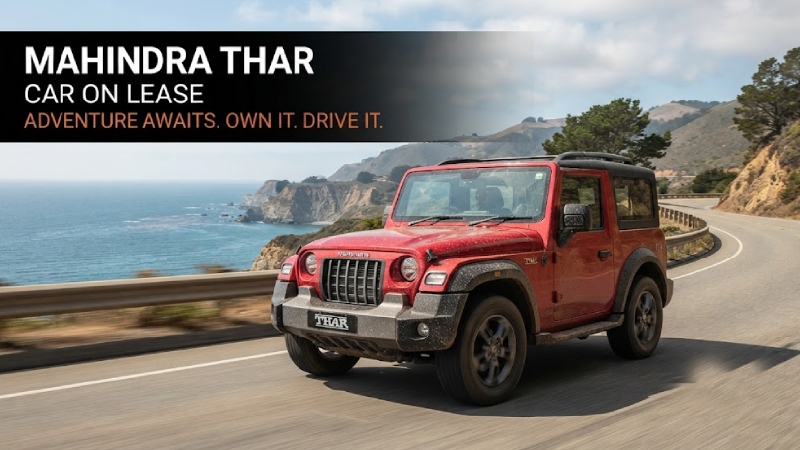
SUVs remain popular for extended rentals because they combine spacious interiors with a commanding seating position. They can suit families, professionals and drivers who regularly undertake highway journeys. Models such as the Mahindra Thar, Mahindra Scorpio N, Mahindra XUV700 and Toyota Fortuner offer different combinations of space, features and driving character. The ideal choice depends on actual requirements, so compare dimensions and practicality instead of selecting an SUV solely because it belongs to a premium category.
Choose a Hatchback When Easy City Driving Is More Important Than Extra Size
Hatchbacks can be highly practical for people who spend most of their time within busy urban areas. Their compact dimensions make parking easier and can simplify driving through narrow streets. Models in this category may also offer economical running costs, making them suitable for frequent everyday use. When rear-seat and luggage requirements are moderate, a hatchback can provide an efficient balance of convenience, affordability and usability during an extended rental period.
Consider a Sedan for a Balanced Combination of Comfort and Practicality
Sedans can suit renters who want comfortable seating without moving into a larger SUV category. Their separate boot area is convenient for luggage, while the cabin layout often works well for office travel and longer highway journeys. A sedan can be particularly suitable when the vehicle needs to perform several roles during the week, from commuting and client visits to personal drives. This versatility makes the category worth considering for medium to high monthly usage.
Evaluate Vehicle Features According to What You Will Actually Use
Modern cars can include touchscreens, connected features, automatic climate control, cruise control, cameras and numerous convenience functions. While these additions can improve the driving experience, they should not distract from essential requirements such as seating comfort, fuel efficiency and suitable size. Prioritize features you expect to use regularly. Paying more for equipment that provides little practical value during your rental period may unnecessarily increase the overall cost.
Vehicle Categories That Can Suit an Extended Rental Period
- Mahindra Thar Long Lease – Suitable for drivers who prefer distinctive SUV styling and a higher driving position.
- Toyota Fortuner Monthly Hire – A spacious option for users who prefer a large premium SUV.
- Hyundai Creta Extended Rental – Useful for a combination of city convenience and comfortable longer journeys.
- Mahindra XUV700 Lease – Suitable for families and users requiring a feature-rich spacious vehicle.
- Maruti Brezza Monthly Hire – A compact SUV option for regular urban and occasional highway use.
| Priority | Vehicle Category | Typical Advantage |
|---|---|---|
| Easy city use | Hatchback | Compact dimensions |
| Comfort with boot space | Sedan | Balanced everyday usability |
| Space and road presence | SUV | Roomier cabin |
Think About How Your Requirements Could Change During the Rental Period
A rental lasting several months may cover different seasons, work schedules and personal requirements. Your daily commute could change, family travel may increase or additional highway journeys may become necessary. Selecting a vehicle with a little flexibility can make the agreement more useful over time. This does not always mean choosing the largest available car; it means selecting one that can comfortably handle your most common requirements as well as reasonable changes during the rental duration.
Business Users Should Consider Professional Requirements Along With Comfort
Professionals using a rental car for meetings, site visits and daily office travel should consider how the vehicle supports their work routine. Comfortable seating, sufficient luggage room, reliable air conditioning and easy highway driving can be valuable when travelling regularly. The vehicle should also be practical enough for everyday parking and city use. A carefully selected rental can provide consistent mobility during temporary assignments without requiring the user or business to purchase a dedicated vehicle.
Families Should Focus on Seating Comfort and Everyday Practical Features
Family requirements can differ significantly from individual usage. Rear-seat comfort, luggage capacity, easy entry and useful storage areas may become more important than performance-oriented features. If children or older passengers regularly travel in the car, evaluate cabin accessibility and available space carefully. Choosing according to the people who will actually use the vehicle can create a more comfortable experience during school runs, shopping trips, family visits and longer weekend journeys.
Frequent Highway Drivers Should Prioritize Stability and Long-Distance Comfort
Drivers who regularly travel between cities should evaluate highway comfort in addition to fuel economy. Supportive seats, stable driving behaviour, cabin refinement and suitable luggage capacity can become valuable over longer distances. Cruise control and other convenience features may also be useful where available. Selecting a vehicle designed for comfortable sustained driving can reduce fatigue and make repeated intercity journeys easier throughout a multi-month rental arrangement.
City Drivers Should Give Greater Importance to Manoeuvrability and Parking Ease
For predominantly urban use, compact dimensions can offer benefits every day. Smaller vehicles are generally easier to manoeuvre through crowded roads, enter tight parking areas and use in locations where space is limited. Drivers who rarely need a large cabin may find that a compact hatchback or smaller SUV meets their requirements more effectively. The best long-term choice is usually the vehicle that solves routine driving needs rather than one selected only for occasional situations.
Extended Rental Formats for Work, Family and Everyday Mobility
- Corporate Monthly Car Lease – Suitable for employee mobility and temporary professional assignments.
- Personal Extended Car Hire – Designed for individuals requiring regular vehicle access without purchasing a car.
- Family SUV Monthly Lease – Useful when passenger comfort and additional cabin space are priorities.
- Intercity Long Duration Rental – Suitable for users with frequent highway and city-to-city driving requirements.
- Short-Term Corporate Lease – Helpful for project-based requirements that continue for several weeks or months.
| User Type | Important Requirement | Suitable Category |
|---|---|---|
| Professional | Daily comfort and practicality | Sedan or compact SUV |
| Family | Passenger and luggage room | SUV or spacious car |
| Urban Driver | Parking and easy handling | Hatchback or compact SUV |
Compare Several Cars Before Making a Long-Term Commitment
When a car will remain with you for months, comparing several suitable models is worth the extra effort. Review cabin dimensions, driving comfort, luggage capacity, fuel expectations and monthly rental terms side by side. A slightly higher monthly rate may sometimes provide features or space that offer genuine value, while in other cases a simpler vehicle may meet every requirement at a lower expense. Comparison should always focus on practical value over the full rental period.
Do Not Choose a Car Only Because It Belongs to a Higher Segment
Premium vehicles can offer impressive features, but they are not automatically the right choice for every long-duration renter. If most driving consists of short office commutes and urban errands, a smaller model may be more convenient and economical. On the other hand, frequent family or highway travel can justify additional cabin space and comfort. Matching the vehicle to actual usage helps ensure that the monthly payment is being spent on benefits you regularly experience.
Ask About Vehicle Replacement Conditions Before Starting the Agreement
For an extended rental, it is useful to understand what happens if the selected car becomes temporarily unavailable because of a mechanical issue or another covered circumstance. Review the provider’s applicable terms regarding assistance or replacement vehicles. Clear information about such situations can make the rental arrangement easier to manage, particularly when the car is required every day for work or family responsibilities and extended downtime would create inconvenience.
Keep Rental Documents and Important Agreement Information Easily Accessible
Once the rental begins, keep copies of relevant documents, payment records and agreement information in a secure and accessible place. Important contact details should also be readily available when needed. Good documentation makes it easier to review kilometre limits, payment dates and rental conditions during the agreement. This simple habit can be particularly useful when the vehicle is rented for several months and numerous payments or usage records accumulate over time.
Review the Return Conditions Before the Final Day of Your Rental
Return requirements should be understood at the beginning rather than checked only when the agreement is ending. Review the expected vehicle condition, fuel requirement, kilometre allowance and return procedure. Keeping these conditions in mind throughout the rental can make the final handover smoother. It also gives you enough time to address any applicable requirements instead of dealing with them hurriedly when the rental period is about to finish.
Long-Term Car Rental Arrangements Worth Considering
- Self Drive Cars – Suitable for users who prefer privacy, personal control and flexible everyday driving.
- Long Term Car Lease Rental – Useful for continuous vehicle requirements lasting several weeks or months.
- Monthly SUV Lease – Suitable for spacious family use and regular highway journeys.
- Executive Monthly Car Hire – Designed for professional and business-related vehicle requirements.
- Extended Personal Car Rental – Useful when a private vehicle is required temporarily without an ownership commitment.
| Agreement Detail | Reason to Review It | Recommended Action |
|---|---|---|
| Rental Duration | Determines overall commitment | Select a period matching actual need |
| Usage Allowance | Can influence final expense | Estimate monthly driving beforehand |
| Return Terms | Important at agreement completion | Review conditions before accepting the car |
Consider the Rental Duration Carefully Before Selecting the Final Package
The expected duration of use can influence both vehicle choice and rental structure. Someone requiring a car for a few weeks may prioritize flexibility, while a user needing it for several months may focus more heavily on monthly value, comfort and predictable running expenses. Discuss the intended duration before confirming the agreement and understand whether an extension is possible if requirements change. Choosing the appropriate period can help avoid unnecessary changes midway through the arrangement.
Balance Monthly Affordability With the Comfort You Need Every Day
Budget matters, but selecting the cheapest available vehicle can sometimes result in compromises that become frustrating during daily use. Consider how much time you will spend inside the car and which comfort features genuinely matter. A slightly different category may provide better seating, luggage space or driving convenience without creating an excessive increase in monthly expense. The goal should be to find a sustainable balance between cost and everyday usability.
Use Your Most Frequent Journey as the Main Test for Vehicle Suitability
Think about the journey you complete most often and imagine using the selected vehicle for it repeatedly. Consider traffic conditions, road width, parking, passengers and typical luggage. If the car fits this routine comfortably, it is more likely to remain practical throughout the rental. Occasional special journeys can still influence the decision, but everyday requirements should carry greater weight because they represent the majority of the vehicle’s actual usage.
Choose a Rental Provider With Clear Terms and Straightforward Communication
Vehicle choice is important, but the quality of the rental arrangement also depends on clear communication and understandable terms. Confirm important conditions before payment and avoid relying on assumptions about mileage, deposits or rental extensions. Ludhiana Rent A Car can be considered by users seeking an extended self-drive arrangement where vehicle selection can be matched with personal, family or professional requirements. Clear terms create a better foundation for a longer rental relationship.
Make the Final Choice Based on Practical Value Rather Than Appearance Alone
The best long-term rental vehicle is one that continues to feel suitable after weeks of regular use. Appearance and features may influence the initial choice, but comfort, manageable running expenses, sufficient space and ease of everyday driving usually provide greater value over time. Evaluate the complete package before signing the agreement. A carefully chosen car can serve daily commuting, professional requirements, family journeys and personal use without creating the responsibilities associated with permanent vehicle ownership.
Lease Choices for Different Extended Driving Situations
- Long Stay Car Rental – Suitable for users staying in a city for an extended personal or professional period.
- Project-Based Vehicle Lease – Useful for employees assigned to temporary projects requiring regular mobility.
- Premium SUV Extended Hire – Suitable when additional cabin space and comfort are important.
- Economy Monthly Car Hire – Practical for regular commuting with controlled monthly expenses.
- Flexible Duration Vehicle Rental – Useful when the final rental period may change according to personal or business requirements.
| Before Booking | What to Compare | Expected Benefit |
|---|---|---|
| Daily Usage | Distance and road conditions | Better vehicle selection |
| Monthly Budget | Rental and regular running expense | More manageable commitment |
| Passenger Needs | Seats, cabin and luggage space | Improved everyday comfort |
Check the Final Agreement Details Before Taking the Car
Before completing the booking, review the selected vehicle, rental period, payment terms, usage conditions and documentation requirements together. Confirm that the vehicle category meets the requirements identified during your comparison. This final review provides an opportunity to correct misunderstandings before the agreement begins. When all major details are clear, an extended rental can provide convenient access to a private car while keeping the arrangement flexible for temporary personal or professional requirements.
Think Beyond the First Month When Selecting Your Vehicle
A vehicle that suits the first few days should also remain useful as the rental continues. Seasonal changes, additional journeys and changing work schedules may alter how frequently the car is used. Consider whether the selected model offers enough flexibility for these realistic changes. Choosing with the entire rental duration in mind can reduce the possibility of needing to switch vehicles simply because the original choice was based on immediate requirements alone.
Keep a Sensible Balance Between Space, Efficiency and Driving Convenience
Every vehicle category involves a different balance of space, efficiency and ease of use. Larger cars may provide greater passenger comfort but require more parking space, while smaller cars may be convenient in the city but offer less luggage capacity. There is no single category that works best for everyone. The right decision comes from identifying which factors matter most during your regular journeys and selecting the vehicle that provides the strongest overall balance.
Consider Long-Term Convenience Instead of Making a Quick Booking Decision
Extended rentals reward careful selection. Spending additional time comparing cars, understanding agreement conditions and estimating usage can prevent unnecessary inconvenience later. Consider how the vehicle will perform during routine workdays, family commitments and occasional longer journeys. When rental duration, vehicle type and expected usage are aligned from the beginning, the arrangement becomes easier to manage and provides greater value throughout the period.
Choose a Car That Continues to Suit Your Lifestyle Throughout the Agreement
A successful long-term rental is ultimately about selecting a vehicle that works naturally with your routine. The right car should be comfortable enough for regular use, practical for common journeys and financially suitable for the intended rental duration. Instead of making the decision around one feature, evaluate the complete ownership-like experience you will have during the agreement. This approach helps create a more convenient and satisfying extended self-drive experience.
Final Checklist for Selecting a Suitable Long-Term Rental Car
- Monthly Car Lease Package – Compare the complete rental terms rather than only the advertised monthly amount.
- Long Duration Self Drive Hire – Match the vehicle category with regular driving distance and road conditions.
- Family Vehicle Lease – Check rear seating, luggage room and cabin accessibility before confirming.
- Professional Car Rental Plan – Consider daily comfort, fuel efficiency and convenient parking for regular work use.
- Extended Vehicle Agreement – Review mileage, deposit, duration and return conditions before signing.
| Final Decision Area | Best Approach | Why It Helps |
|---|---|---|
| Vehicle Selection | Match the car with daily usage | Improves regular convenience |
| Rental Package | Compare complete agreement terms | Reduces unexpected expenses |
| Rental Duration | Choose according to realistic need | Provides better flexibility |
| Comfort | Check seating and cabin space | Supports frequent and longer drives |
| Usage | Estimate monthly kilometres | Helps select a suitable agreement |
Book the Right Car for Your Extended Self Drive Requirements
Choose a vehicle that matches your daily driving, preferred comfort, rental duration and monthly budget, then review the complete agreement before confirming. A carefully selected long-term car can provide the privacy and freedom of personal driving without the immediate commitment of purchasing another vehicle. Book your preferred car for an extended rental period and enjoy flexible self-drive access for work, family and everyday journeys.

